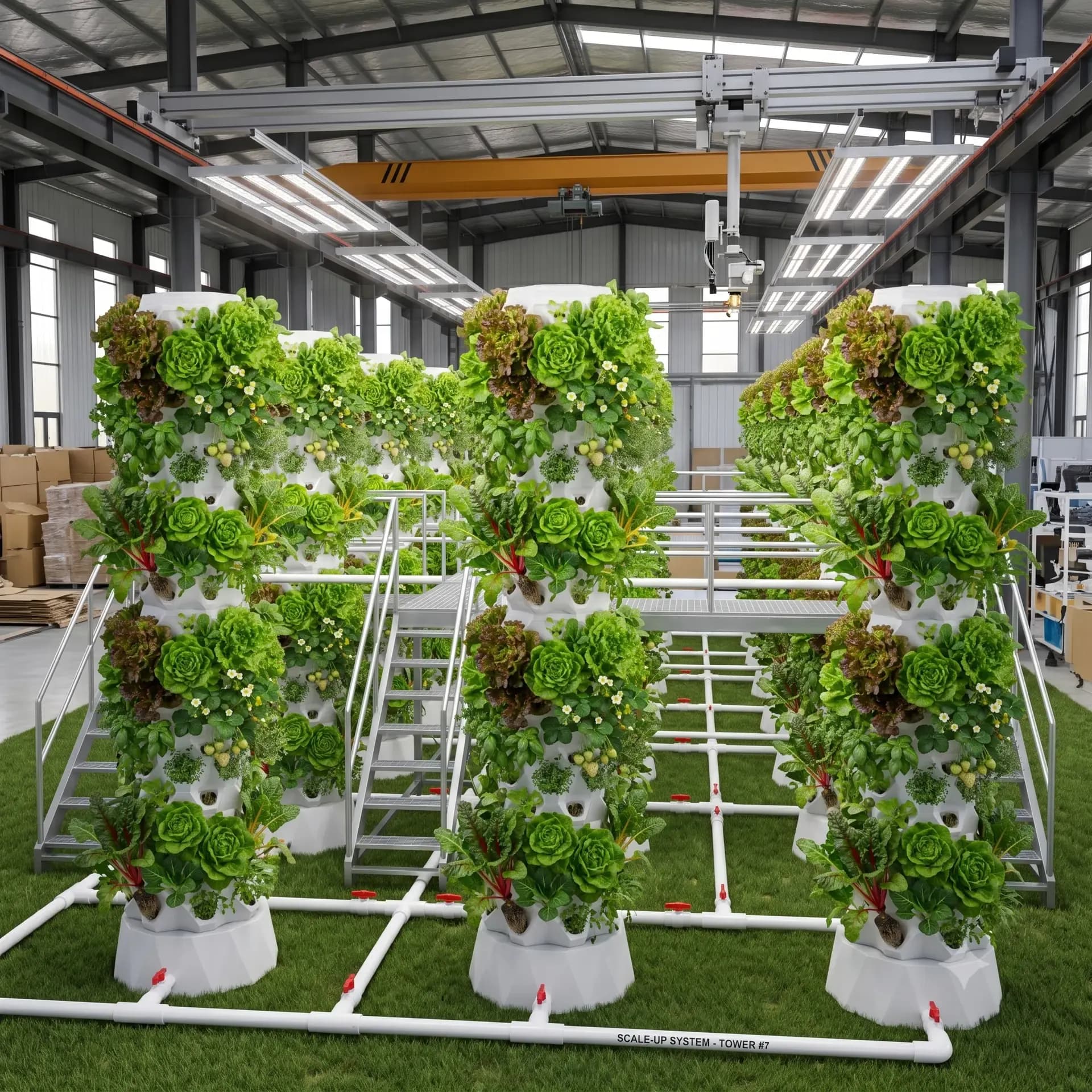
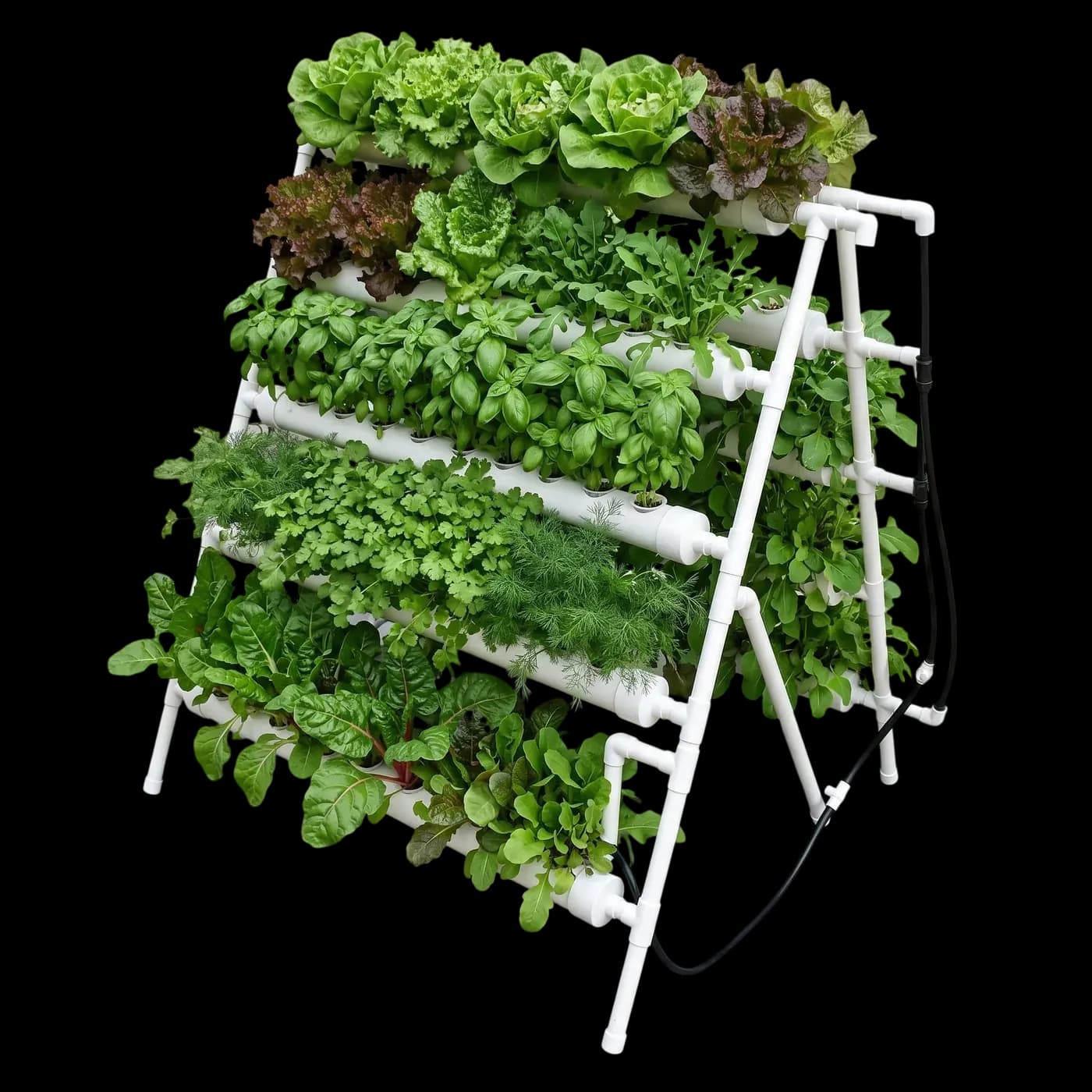
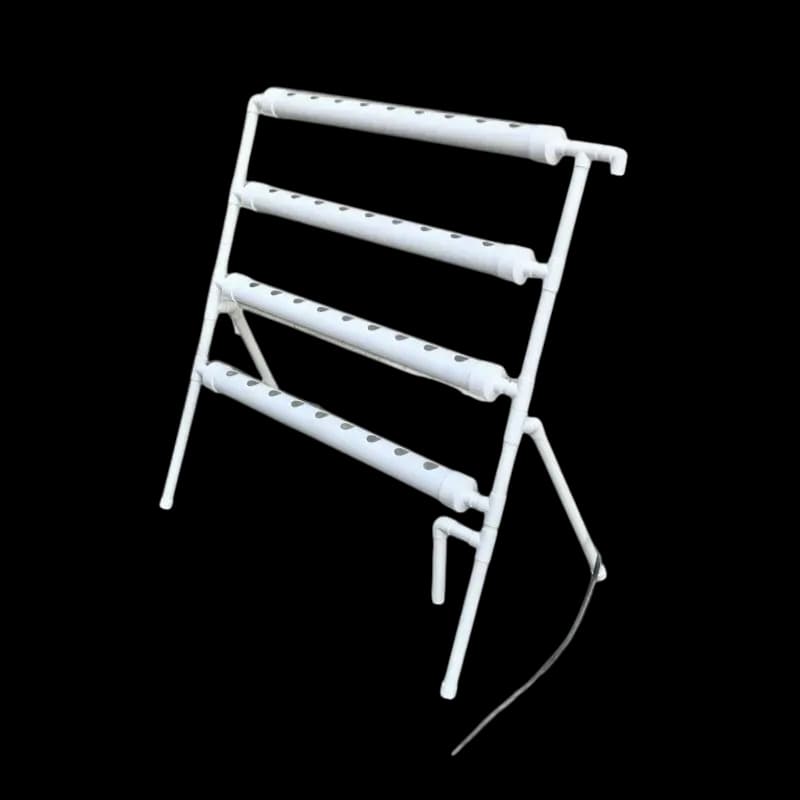
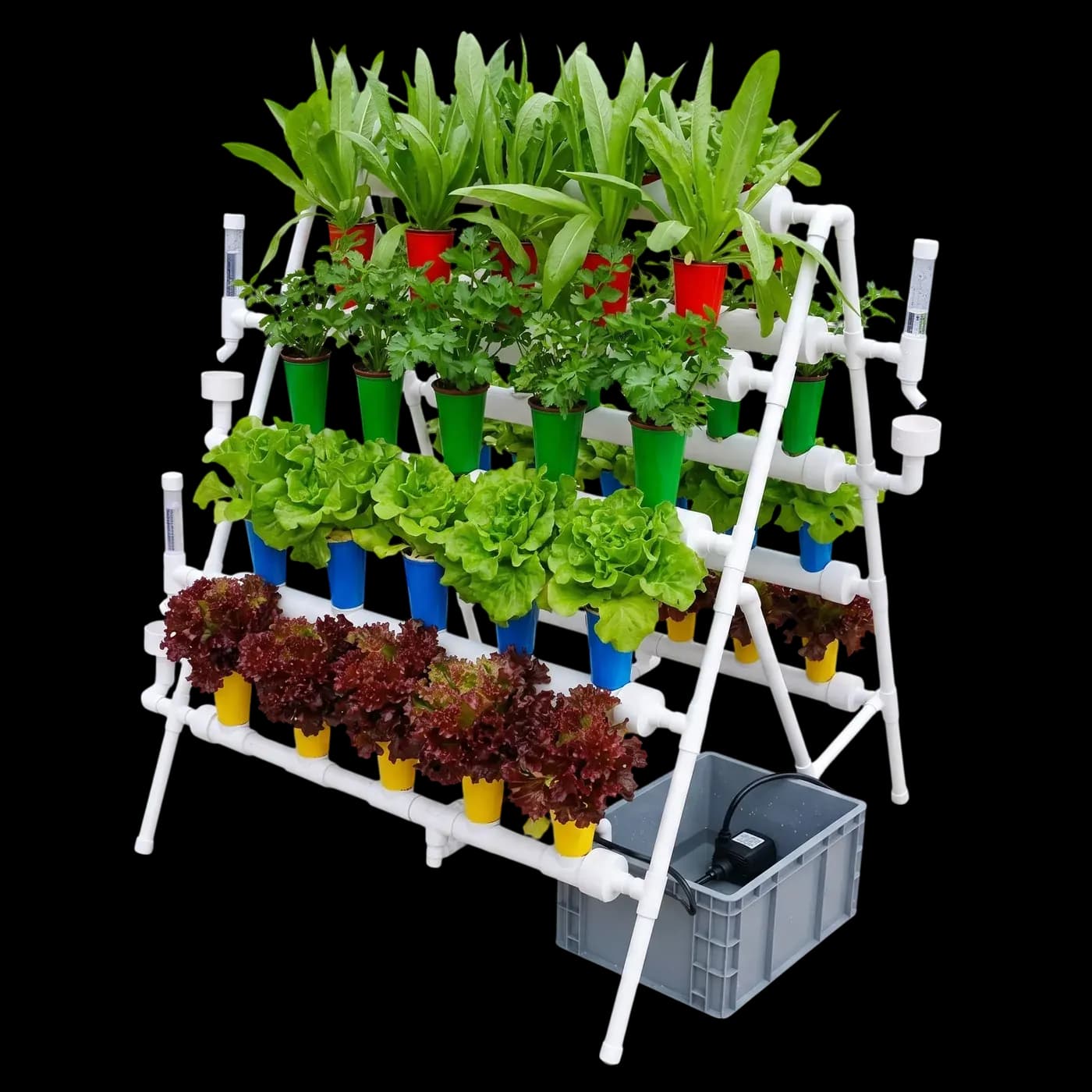
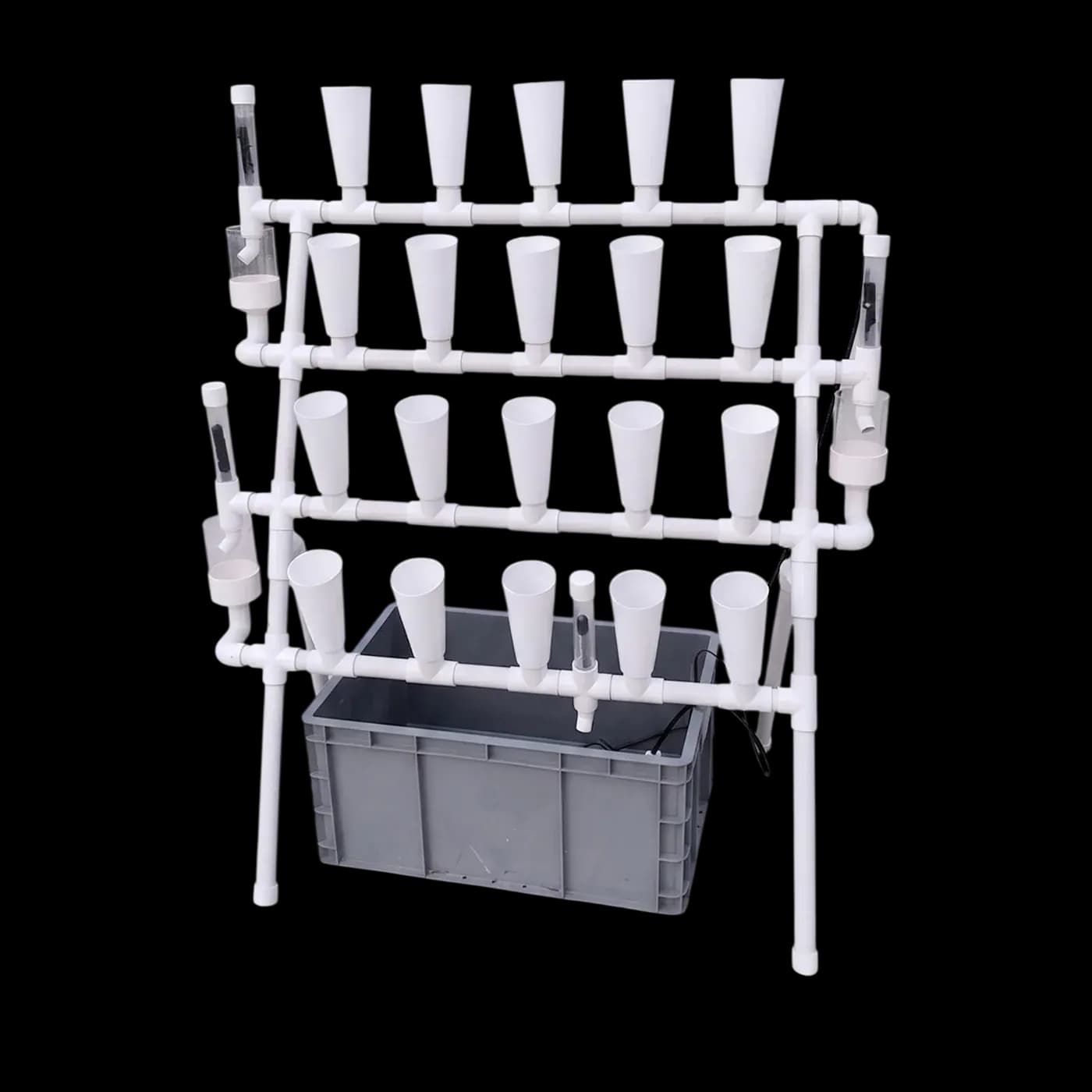
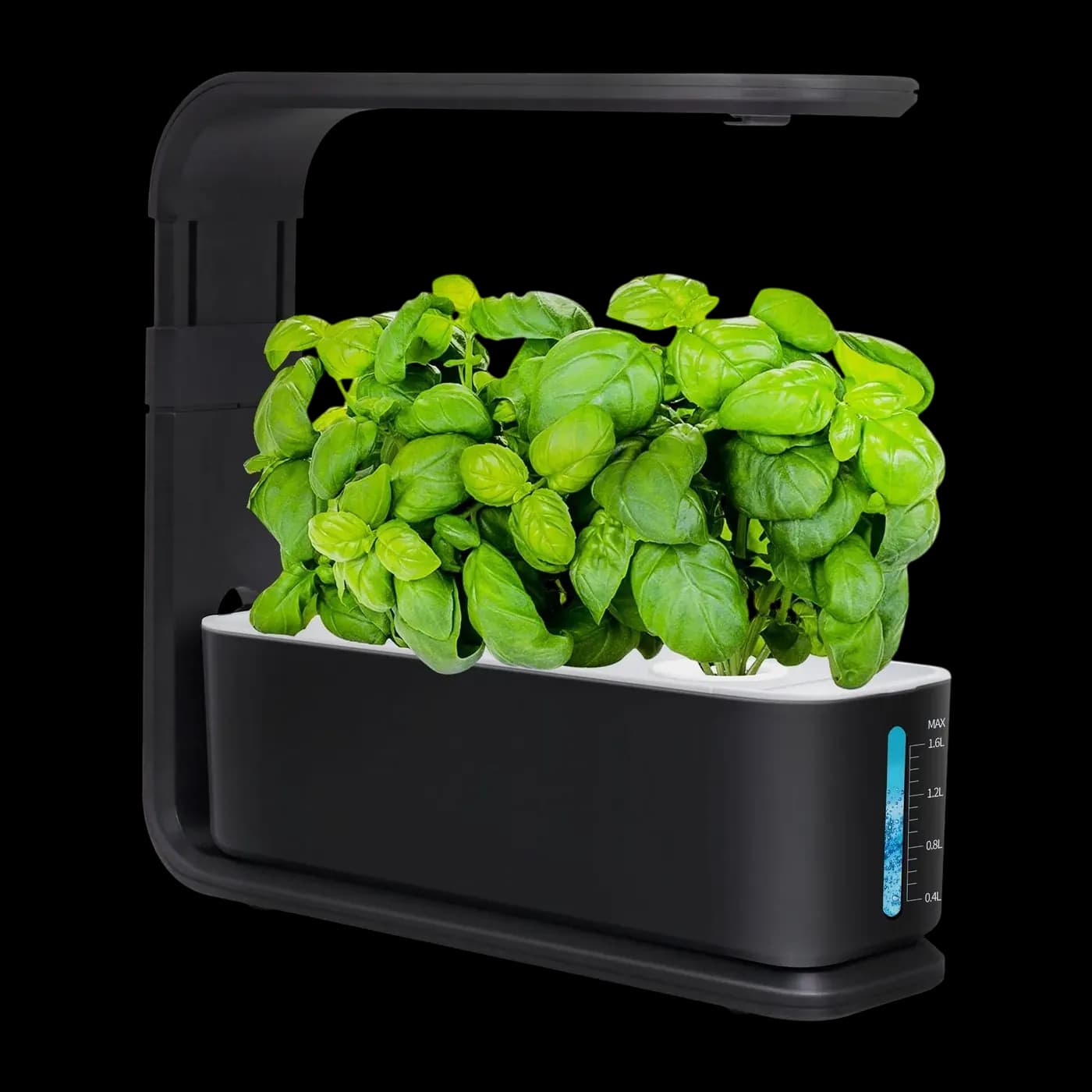
Aeroponic towers, NFT and ebb & flow racks and a desktop teaching kit — all run by one sheenbot controller that watches water quality, temperature, humidity, light and plant growth around the clock, and turns every reading into the right action.
Hydroponics is soil-free growing: the roots are fed directly by a nutrient solution instead of earth. From the growing structure to the sensors that watch it and the green power that keeps it running, every layer of the system is built around sheenbot — so students and growers can learn, monitor and automate from one controller.
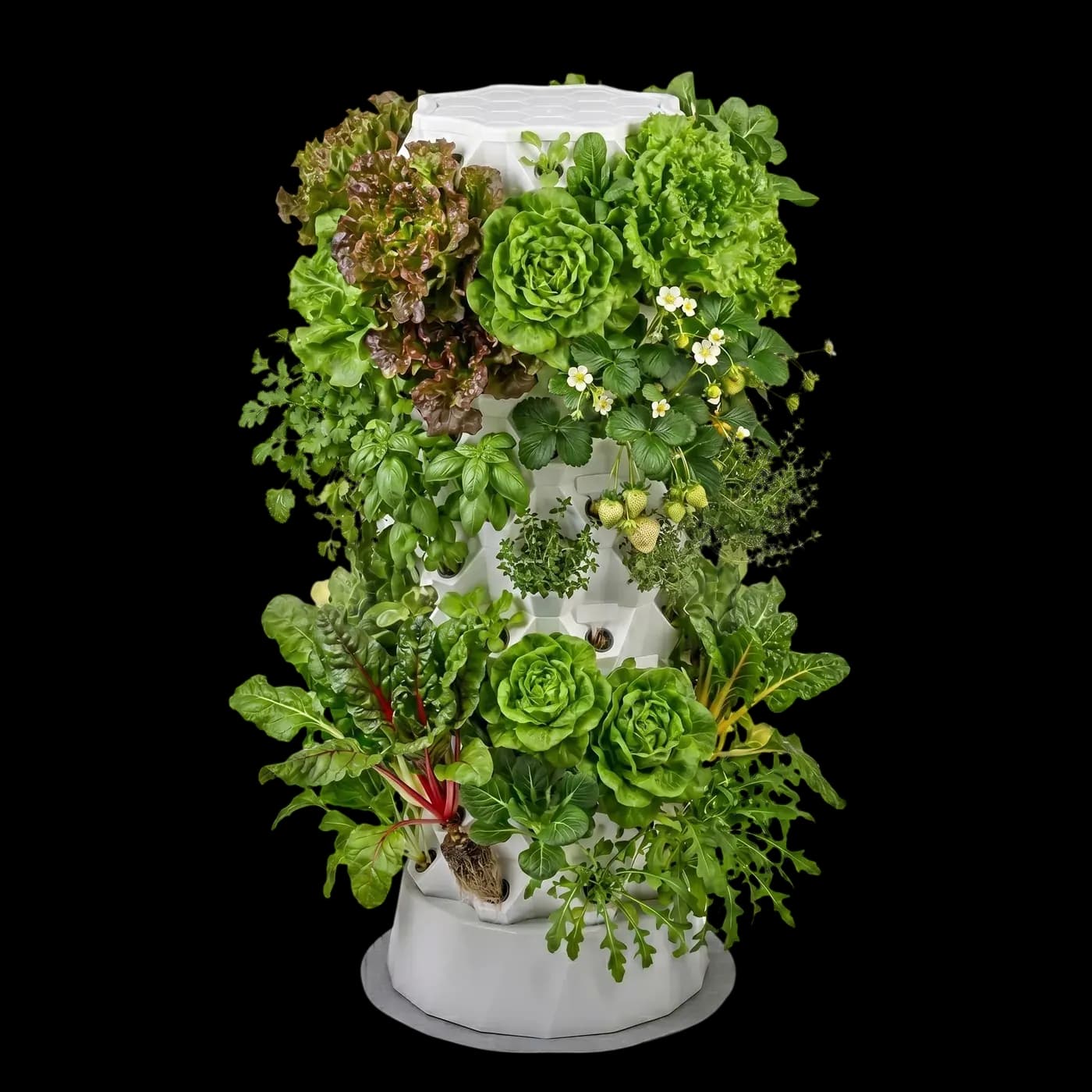
MistAeroponic towers mist nutrient solution directly onto bare roots suspended in air.
TideEbb & flow beds flood, then drain back to the reservoir — pulling fresh oxygen to the roots each cycle.
Soil-Free Growing
Four hydroponic systems — from aeroponic towers to a desktop teaching kit — for every space and skill level.
sheenIoT + sheenbot Logic
The real product: an automation & AI layer that fuses every sensor into closed-loop decisions — not just dashboards.
Smart Clean Energy
Solar and wind charge a battery bank that switches power to pumps, cameras, lights and controllers on demand.
Why It Matters Here
Built for South Africa’s Real Constraints
Hydroponics isn’t a luxury here — it’s a direct answer to the pressures South African growers face every season.
Water Scarcity & Drought
After “Day Zero”, every drop counts. A recirculating hydroponic system uses up to 90% less water than soil, and sheenbot accounts for every millilitre.
Load-Shedding
Rolling blackouts kill timers and pumps. A battery-backed, automated system rides through outages and resumes the schedule on its own.
Climate Volatility
Heat waves and erratic seasons wreck open-field crops. A controlled environment — a room, a tunnel or a shaded rack — grows reliably all year, whatever the weather does.
Poor & Degraded Soil
Much local land is depleted or unsuitable. Soil-free growing sidesteps it entirely — even on a rooftop, in a container or a classroom.
Food Security & Cost
Fresh produce is expensive and travels far. Growing on-site near where people live cuts cost, waste and the supply-chain distance.
Skills & Youth Jobs
High youth unemployment meets a STEM gap. The same sheenbot platform teaches coding, IoT and agri-tech skills while it grows food.
Four Growing Systems
Pick the Structure That Fits Your Space
Every system runs on the same sheenbot controller and sensor kit, so you can start on a desktop and scale up to a full vertical farm without relearning the platform.
Tip: drag the handle on any system to see it bare, then fully planted.
StructurePlanted
Tower
Aeroponic Tower
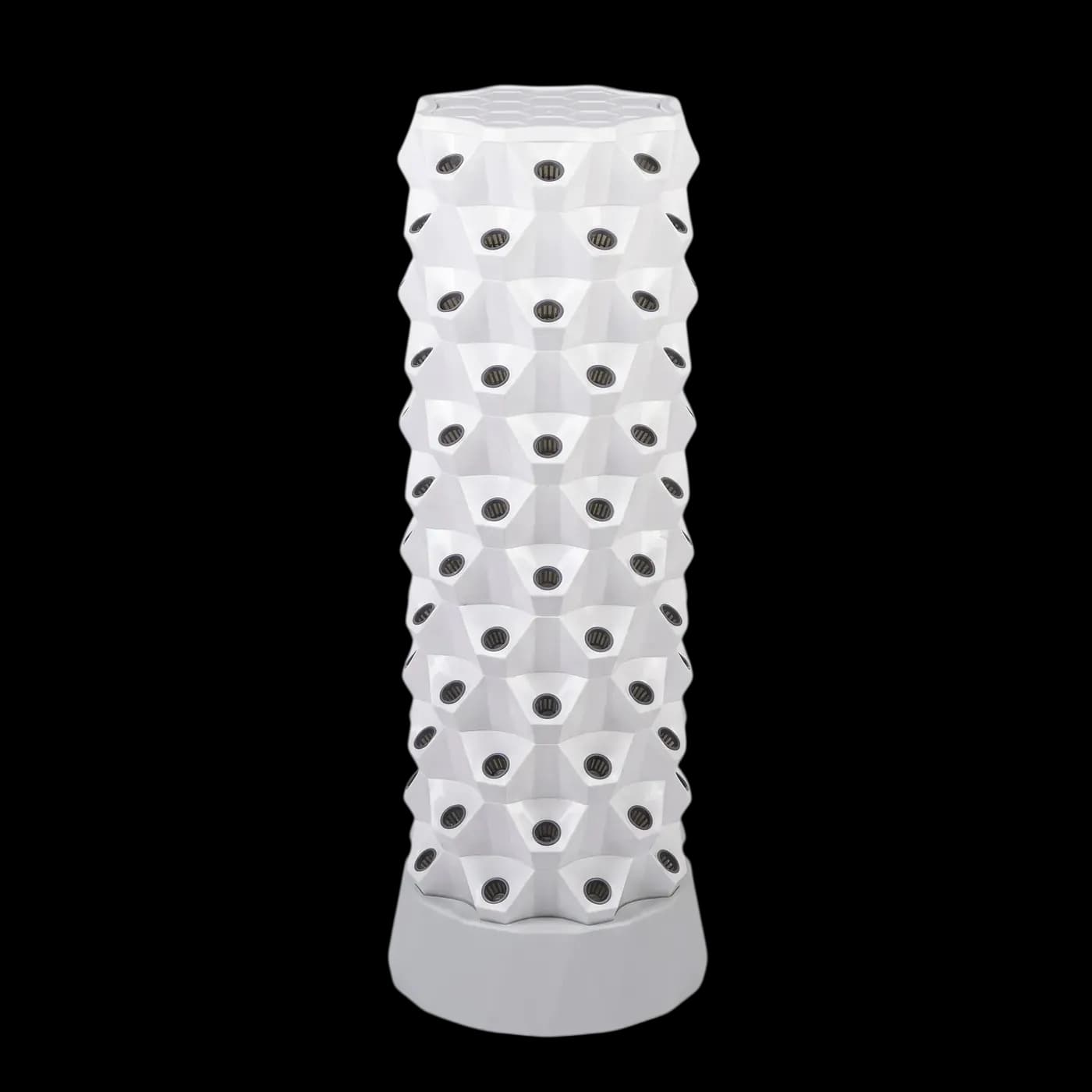
Vertical column that mists nutrient solution directly onto bare roots — the highest yield per square metre, ideal for showcase installations and high-density greens.
Two styles — Pineapple (up to 96 plants) & Slim (28, + grow light)
Roots suspended in air, fed by a timed misting pump
Maximum oxygenation, fast growth, smallest footprint
Rack beds are periodically flooded with nutrient solution, then drained back to the reservoir — the rhythmic “tide” pulls fresh oxygen to the roots each cycle.
Five quick taps — space, plants, crops, purpose and power — and we’ll suggest a system, then hand you a WhatsApp message or email with your answers already filled in.
Question 1 of 5
Monitoring & Automation
sheenbot Keeps Watch, Day and Night
A sheenbot controller reads the growing environment continuously and turns the numbers into action — dosing water, switching lights and alerting students when something drifts out of range.
sheenbot · LiveOnline
Water pH
6.10
EC
1.80mS/cm
Reservoir
16.1L
Air temp
24.6°C
Humidity
68%
Light (PAR)
412µmol
Shaded band on pH: the 5.8–6.3 target. EC setpoint 1.8 mS/cm.
Throw something at it
Controller log
13:00All readings in range — schedule running
Simulated telemetry for illustration — resting values from the sample dashboard; behaviour from the sensor roles below.
Temperature & humidity sensing for the canopy and root zone, with safe-range alerts.
Light monitoring and scheduled grow-light control to hit a daily light target.
Water level, pH and nutrient (EC) tracking for each reservoir.
Plant-growth tracking with a camera — time-lapse capture and height logging.
All data graphed on-device and synced to the cloud for classroom analysis.
One Dashboard, Total Remote Control
Everything lives in the sheenIoT dashboard — open it on a phone or a browser and you have full remote control of your grow system, from your desk or the other side of the country.
Switch water pumps, valves and lights on or off remotely — anytime, anywhere.
Deploy and edit automation routines over the air, no site visit required.
Let AI learn from your data and recommend — then auto-apply — the optimal grow plan per crop.
Sensors in Action
Sensors Are Just Inputs — the Logic Is the Product
No single probe is the “key” — the ultrasonic level sensor is one input among many. What matters is that every reading feeds the same sheenIoT + sheenbot automation layer, which fuses them into real decisions.
Ultrasonic Water Level
UART / Analog · non-contact
Reads: Reservoir level to millimetre precision (small blind zone, temperature-compensated).
Drives: Top-up to fight EC spike, dry-run pump cut-off, leak / flood detection, and the whole drain-and-refill cycle.
EC / TDS Probe
Analog / I2C
Reads: Nutrient strength (Electrical Conductivity) of the solution.
Drives: Peristaltic dosing of A/B concentrate; flags the EC spike that follows fast transpiration.
pH Probe
Analog / I2C
Reads: Acidity of the nutrient solution (target ≈ 5.8–6.3).
Drives: Automatic pH-up / pH-down dosing so nutrients stay available to the roots.
Water Temperature
1-Wire (DS18B20)
Reads: Root-zone reservoir temperature.
Drives: Dissolved-oxygen and root-rot risk management; switches a chiller, heater or extra aeration.
Air Temp & Humidity
I2C (SHT-class)
Reads: Canopy temperature and humidity → vapour-pressure deficit (VPD).
Drives: Fan, vent and humidifier control to keep transpiration in the healthy band.
Light / PAR
I2C (lux / PAR)
Reads: Photosynthetically active light and the daily light integral (DLI).
Drives: Grow-light scheduling so every crop hits its daily light target.
Dissolved Oxygen (opt.)
Analog
Reads: Oxygen available to submerged roots.
Drives: Air-pump / air-stone control — critical for DWC and ebb-and-flow beds.
Flow / Leak
Pulse / Digital
Reads: Whether solution is actually moving through the loop.
Drives: Confirms the pump is really running and raises a leak alarm on an abnormal drop.
Growth Camera
Camera module
Reads: Plant height, leaf area and a time-lapse of the canopy.
Drives: Growth-rate modelling and harvest-date prediction, synced to the cloud.
Ultrasonic Water Level
UART / Analog · non-contact
Reads: Reservoir level to millimetre precision (small blind zone, temperature-compensated).
Drives: Top-up to fight EC spike, dry-run pump cut-off, leak / flood detection, and the whole drain-and-refill cycle.
EC / TDS Probe
Analog / I2C
Reads: Nutrient strength (Electrical Conductivity) of the solution.
Drives: Peristaltic dosing of A/B concentrate; flags the EC spike that follows fast transpiration.
pH Probe
Analog / I2C
Reads: Acidity of the nutrient solution (target ≈ 5.8–6.3).
Drives: Automatic pH-up / pH-down dosing so nutrients stay available to the roots.
Water Temperature
1-Wire (DS18B20)
Reads: Root-zone reservoir temperature.
Drives: Dissolved-oxygen and root-rot risk management; switches a chiller, heater or extra aeration.
Air Temp & Humidity
I2C (SHT-class)
Reads: Canopy temperature and humidity → vapour-pressure deficit (VPD).
Drives: Fan, vent and humidifier control to keep transpiration in the healthy band.
Light / PAR
I2C (lux / PAR)
Reads: Photosynthetically active light and the daily light integral (DLI).
Drives: Grow-light scheduling so every crop hits its daily light target.
Dissolved Oxygen (opt.)
Analog
Reads: Oxygen available to submerged roots.
Drives: Air-pump / air-stone control — critical for DWC and ebb-and-flow beds.
Flow / Leak
Pulse / Digital
Reads: Whether solution is actually moving through the loop.
Drives: Confirms the pump is really running and raises a leak alarm on an abnormal drop.
Growth Camera
Camera module
Reads: Plant height, leaf area and a time-lapse of the canopy.
Drives: Growth-rate modelling and harvest-date prediction, synced to the cloud.
The key isn’t any one sensor — it’s the logic that cross-references them. Level alone is just a number; level plus EC, transpiration and the growth curve is what lets sheenIoT + sheenbot decide whether to top up with pure water, dose nutrient, or raise a leak alarm.
The sheenIoT + sheenbot Solution
The Automation & AI Logic Is the Real Product
Sensors and pumps are commodities — anyone can buy them. The value is the layer between them: sheenbot at the edge for real-time control and safety, and sheenIoT in the cloud for AI modelling, fleet dashboards and closed-loop decisions. That intelligence is what scales from a desktop kit to a vertical farm.
sheenIoT (cloud): dashboards, alarms & fleet over MQTT
AI logic: EC-drift compensation, VPD tuning, growth & harvest prediction
03
Act
Relays: circulation pump · air pump · grow lights
Solenoids: fresh-water valve · drain valve
Peristaltic pumps: nutrient A · B · pH adjust
Switched by the smart-energy battery bank
Closed-Loop Nutrient Recirculation
Drained solution is never poured straight back — plants feed selectively and roots shed pathogens. sheenbot runs it through a regeneration line first, so “waste” becomes fresh nutrient again.
Step 1 of 6Wastewater Tank
No UV rig yet? Down-cycle instead.
If you haven’t built the sterilisation and dosing line, route the drain valve to irrigate soil-grown plants — landscaping, trees or potted greens. Soil’s microbial life breaks down root toxins and buffers the nutrient imbalance, so you use 100% of your water safely and at zero cost. The spent, low-EC solution is also ideal for seedlings.
Digital Twin
Run the Rack Before You Own One
The ebb & flow rack has a 3D digital twin: the same PVC parts, every dimension measured off the physical unit, with the water, the tide and every reading computed rather than animated. It opens in a browser tab — no login, no hardware, nothing to install.
Recorded in the twin itself — the tide, the readings and the controls are the running simulation, not an animation.
A tide, not a loop
Every tier drains through its own siphon: it charges for about 38 seconds, primes at the standpipe crest, then empties in 17. The cascade travelling down the rack is the physics running — not a timed animation.
The readings the sensors take
Reservoir volume and level, EC, pH, water temperature, dissolved oxygen and riser flow, updated live. Values a model produced are marked apart from values a probe measured, so nobody mistakes one for the other.
The same view goes live
Point it at a sheenbot-controlled rack and it renders that rack’s telemetry instead of the simulation. If the board goes offline it says so — it never quietly falls back to a healthy-looking simulation.
Runs in any modern browser. Binding a twin to a live rack needs a sheen.bot account.
Crops for South Africa
One Platform, a Different Strategy per Crop
Local conditions — summer heat, water scarcity and load-shedding — make every crop its own automation problem. Here are mainstream hydroponic crops for South Africa, each with the challenge it brings and the sheenIoT + sheenbot strategy that solves it.
Leafy
Lettuce
Challenge: Heat spikes EC and scorches leaf tips (tip burn) on hot afternoons.
Strategy: Level-triggered pure-water top-up plus a midday EC setpoint dip keep the solution gentle.
Leafy
Baby Spinach
Challenge: Bolts to seed once the root zone climbs past ~22 °C.
Strategy: Reservoir chiller and DLI-capped lighting hold the canopy cool through summer.
Leafy
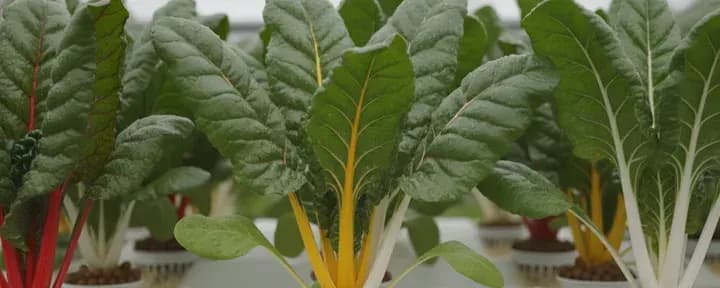
Swiss Chard
Challenge: Heavy feeder that pulls potassium faster than other elements, skewing the mix.
Strategy: Separate A/B dosing with a weekly EC reset rebalances the reservoir.
Herb
Basil
Challenge: Loves warmth, but trapped humidity invites downy mildew.
Strategy: VPD-driven extraction fans and a night-time humidity cap keep leaves dry.
Leafy
Rocket / Arugula
Challenge: Tiny, fast roots are easy to over- or under-water.
Strategy: Short, frequent ebb-and-flow pulses tuned to the small root mass.
Leafy
Kale
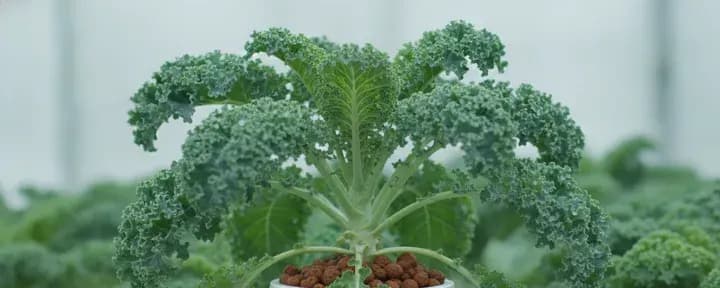
Challenge: Big leaves attract aphids and demand a steady calcium supply.
Strategy: Camera pest-spotting alerts plus calcium dosing on a growth-stage curve.
Fruiting
Tomato
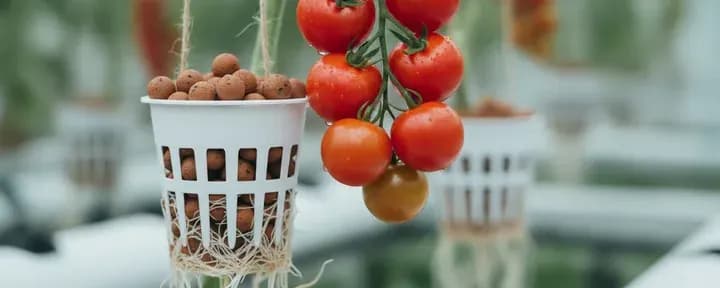
Challenge: Huge transpiration and blossom-end rot when calcium transport stalls.
Strategy: High-frequency irrigation with a stage-ramped EC and a tight Ca:K ratio.
Fruiting
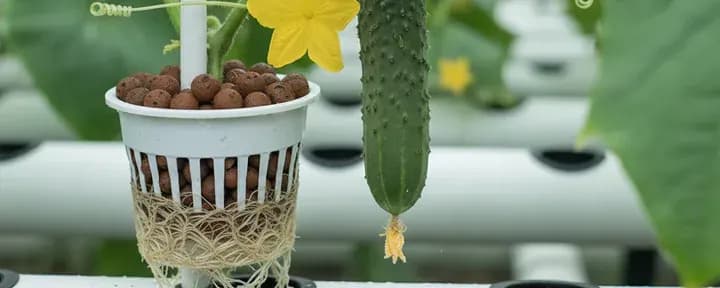
Cucumber
Challenge: Drinks so fast the reservoir can empty and strand the pump.
Strategy: Dual level sensors trigger auto top-up and a hard dry-run lockout.
Fruiting
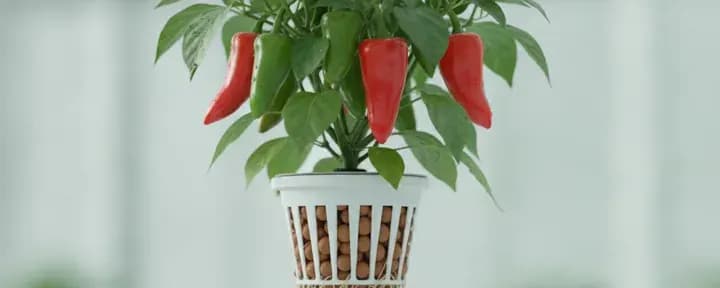
Chilli / Pepper
Challenge: Wants a long, warm season; cool wet roots rot it.
Strategy: Root-zone heating plus a dry-back schedule between irrigations.
Fruiting
Strawberry
Challenge: Iron lockout the moment pH drifts, and warm roots stop fruiting.
Strategy: Tight pH-band dosing and a reservoir chiller hold the sweet spot.
Herb
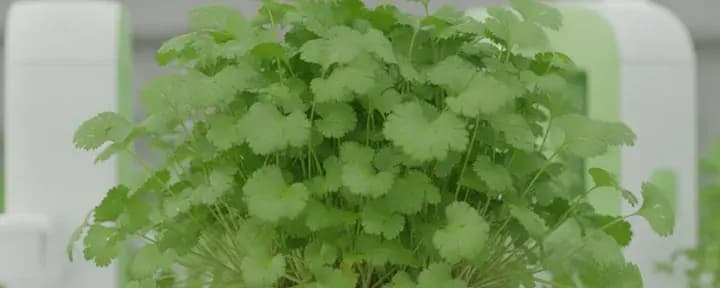
Coriander
Challenge: Bolts in heat and sulks at any root disturbance.
Strategy: Cool deep-water culture with a rock-steady level — no sudden top-ups.
Leafy
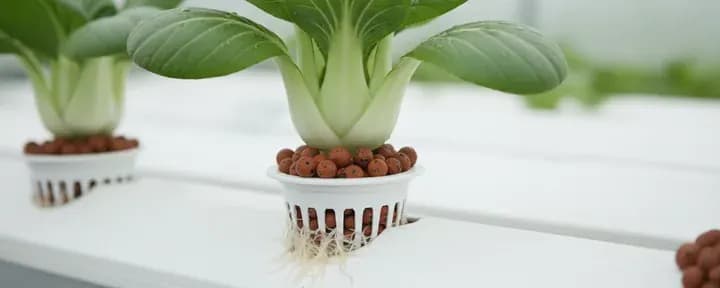
Pak Choi
Challenge: Inner-leaf tip burn when airflow is low and calcium cannot move.
Strategy: Gentle canopy airflow plus calcium dosing prevent the burn.
Leafy
Celery
Challenge: A 16-week cycle risks “black heart” from calcium deficiency.
Strategy: Continuous EC logging and steady calcium dosing across the long run.
Leafy
Spring Onion
Challenge: Shallow roots dry out and stress quickly.
Strategy: Frequent short flood cycles keep the thin root zone constantly moist.
Microgreen
Microgreens
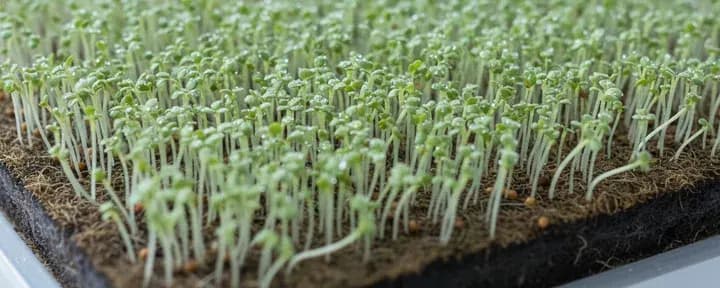
Challenge: A 7-day cycle where high humidity breeds damping-off mould.
Strategy: Humidity and airflow control with clean, UV-treated water stop the rot.
Leafy
Watercress
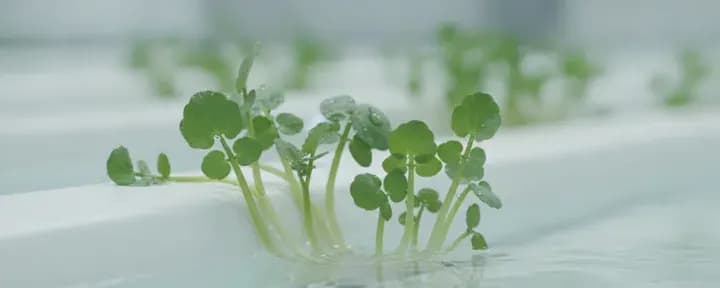
Challenge: Needs constantly flowing, oxygen-rich water or it stalls.
Strategy: Continuous-flow NFT with a dissolved-oxygen sensor and a flow watchdog.
Leafy
Cabbage
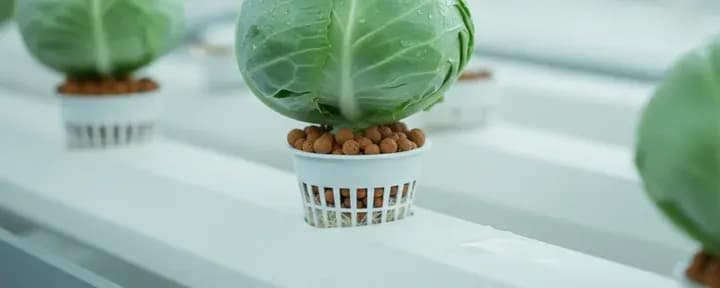
Challenge: A long heading cycle and a heavy, pest-prone feeder.
Strategy: Scheduled EC ramps and camera scouting flag trouble early.
Herb
Mint
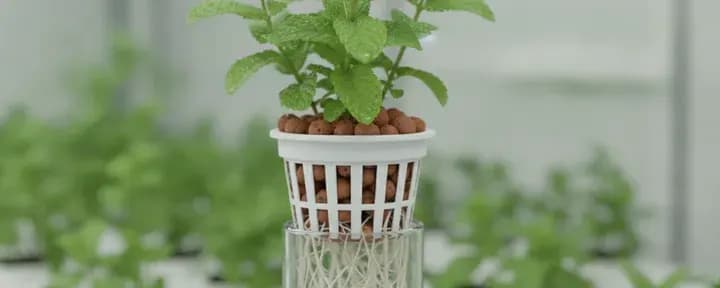
Challenge: Aggressive roots clog channels and starve themselves of oxygen.
Strategy: Higher aeration and routine flow-rate checks keep channels clear.
A hydroponic grow can’t afford to lose power — pumps, aerators and grow lights must keep running. Solar and a battery bank (with optional wind) ride the system through load-shedding and trim the bill, while sheenbot switches power to each load only when it’s needed.
Power flow
Solar PV
Wind (optional)
Grid
Battery BankCharging
Pumps
Cameras
Grow Lights
sheenbot
Solar (and optional wind) charge the battery bank; sheenbot switches power to each load when it’s needed.
Solar array and battery bank keep pumps, aerators and grow lights alive through load-shedding.
Optional wind input adds clean generation on dull days.
Battery rides through outages, so a power cut never wipes a harvest.
Switched relay outputs deliver on-demand power to pumps, cameras, grow lights and sheenbot.
sheenbot meters consumption and sheds non-critical loads to cut the energy bill.
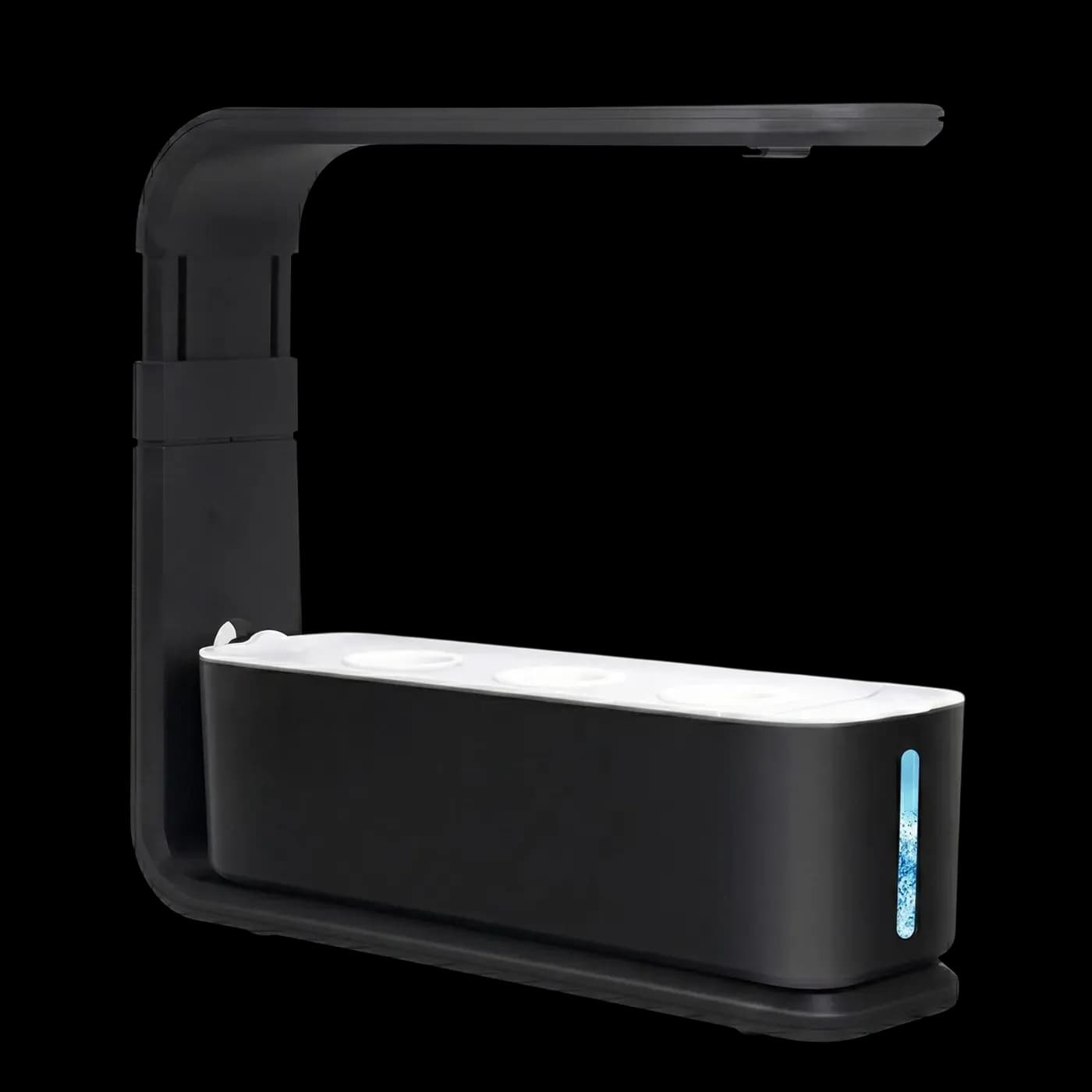
3 plants · 15 W LED · desk-sized
For Schools
Teach Coding, IoT and Agri-Tech — While It Grows Food
High youth unemployment meets a STEM gap. The same sheenbot platform teaches coding, IoT and agri-tech skills while it grows food — students learn, monitor and automate from one controller.
The whole platform on one bench
The Desktop Teaching Kit is sized for a desk or lab bench — perfect for teaching sensing, automation and plant science hands-on. Safe, low-power, ideal for student projects.
Real data for real lessons
All data is graphed on-device and synced to the cloud for classroom analysis, and sheenbot alerts students when something drifts out of range.
Start small, scale up
Every system runs on the same controller and sensor kit, so a class can start on a desktop and scale up to a full vertical farm without relearning the platform.
Try it before the kit arrives
The ebb & flow rack’s 3D digital twin opens in a browser tab — no login, no hardware, nothing to install.
A recirculating hydroponic system uses up to 90% less water than soil, and sheenbot accounts for every millilitre. Drained solution is filtered, UV-sterilised and re-dosed before it goes back to the plants — or, without that line, down-cycled onto soil-grown plants so you still use 100% of your water.
What happens during load-shedding?
Solar and a battery bank (with optional wind) keep pumps, aerators and grow lights running through outages, and the automated schedule resumes on its own. sheenbot switches power to each load only when it’s needed and sheds non-critical loads to cut the bill.
Which system should I start with?
For a classroom bench, the Desktop Teaching Kit (3 plants). For leafy greens at steady volume, the Standard NFT rack (36 plants). For bigger fruiting plants, the Ebb & Flow rack (20 plants). For the most plants in the smallest footprint, an Aeroponic Tower (up to 96). Every system runs on the same sheenbot controller and sensor kit, so you can start small and scale up without relearning the platform — or use the system chooser on this page.
What does sheenbot actually monitor?
Reservoir level, EC (nutrient strength), pH, water temperature, air temperature and humidity, light (PAR / daily light integral), optionally dissolved oxygen, flow / leaks, and plant growth through a camera. The readings are cross-referenced — level plus EC plus the growth curve decides whether to top up with pure water, dose nutrient or raise a leak alarm.
What pH does the system hold?
The pH probe targets roughly 5.8–6.3 for the nutrient solution, and automatic pH-up / pH-down dosing keeps it there so nutrients stay available to the roots.
Can I control it remotely?
Yes. Everything lives in the sheenIoT dashboard: open it on a phone or a browser to switch pumps, valves and lights, check water quality and environment readings live, and deploy or edit automation routines over the air — no site visit required.
Can I try it before buying anything?
Yes — the ebb & flow rack has a 3D digital twin that opens in a browser tab with no login, no hardware and nothing to install. The tide, the readings and the controls are the running simulation, not an animation.
Is it suitable for schools?
It was built for classrooms as much as for growers. The Desktop Teaching Kit brings the whole platform to a single bench, all data is graphed on-device and synced to the cloud for classroom analysis, and the same platform teaches coding, IoT and agri-tech skills while it grows food.
How much does a system cost?
Every package is put together for the site. Tell us your space, your power situation and whether it is for teaching or production, and we’ll put together a hydroponic and energy package that fits — WhatsApp, email or call us.
Who is behind Hydrobotics.co.za?
Hydrobotics.co.za is a trading name of Sheen Technologies (Pty) Ltd, based in Milnerton, Cape Town — the team behind sheenbot and sheenIoT. It is part of Sheen’s smart-farming solutions on sheen.bot.
Bring Hydroponics to Your Classroom or Site
Tell us your space, your power situation and whether this is for teaching or production — we’ll put together a hydroponic and energy package that fits.